




WHILE WE ARE KEEPING SOCIAL DISTANCE AND HAVE A LOT OF TIME ON OUR HANDS, LET’S DO SOME CONFLICT RESOLUTION…
COLLECTIVE ACTION & CONFLICT RESOLUTION
How is Collective Action Related to Conflict Resolution?
"What do you do when the conflict you have is not with an individual? When you are in conflict with a policy, a law, something unfair in society?" This was the question asked in a class for conflict resolvers recently.
In general, the skills and strategies in conflict resolution are oriented toward individuals or small groups. In the mediation process, even multi party mediations, it is rare to have more than a handful of people involved. Most mediations are between two people. Conflict resolvers might facilitate difficult conversations among a group, helping to create a positive environment for all voices to be heard and respected.
There are intersections and overlapping concepts that connect political, social and cultural movements with the concepts of conflict resolution. Below is an adapted chart showing the range of approaches that can be taken when one wants to effect large scale change. Mediators fit in there, probably more toward the individualistic and persuasive quandrant of the chart. Those involved in alternative dispute resolution, such as mediation, work to make change and have an impact on the world one conflict at a time.
Working with others
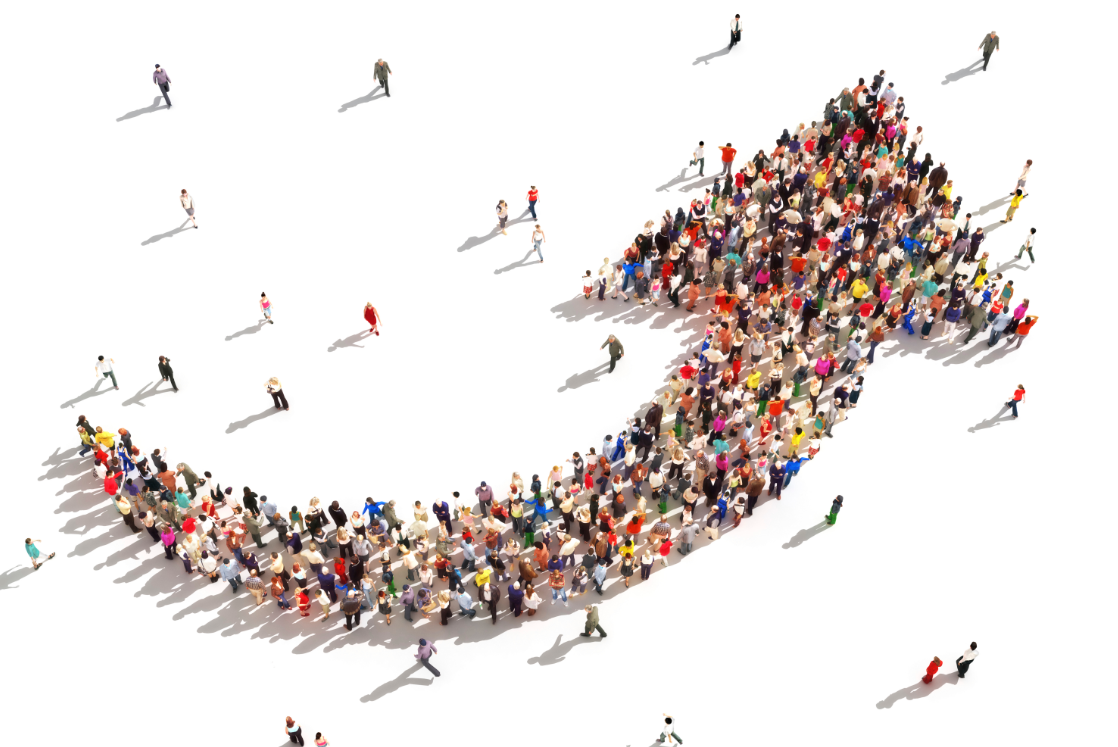
We are going through a time where we can witness the impact and achievements of collective action. When one person joins with others the multiplied strength can make a big difference. Similar to analyzing individual conflicts, some of the same aspects can be found in collective social movements.
Groups make demands--in conflict resolution we call these positions. Underneath these demands are interests. People join together because their interests match up. For the student who asked, what to do when you want to change things, the answer might be to find a group that matches your interests. See interests
Another parallel connecting conflict resolution concepts with social movement groups is the necessity for negotiation. When coming to collective agreement on the direction of the group, participants find themselves involved in many of these discussions. What is most important? Which actions should we take? How should we articulate our beliefs? Who is best to represent us?
And when a group is able to achieve the desired change, negotiating a durable agreement overlaps with the work done in mediation and other conflict resolution processes.
Values and Identity
As we learn in conflict analysis, conflicts are related to values and identities. We are often moved to act when something negatively impacts how we see ourselves in the world -- our identity--and the standards we set for how we live our lives - our values. See values see Identity. Often individuals choose to work with a group that aligns with their values and/or identity and in this way can be comfortable that the work of the group represents them well.
Conflict Styles Matrix
In conflict resolution we are familiar with the conflict styles matrix. We might apply this chart to the work of social movements and groups. When to accommodate? When to be more assertive or avoidant? As part of a group that is seeking change, we might look along the diagonal-to compromise and collaborative/ creative problem solving to set a goal for how to move forward.
Do this:
Short interview about mediators involved in social movements video
Consider the chart above that shows the relationship between individual and collective actions. Where do you fit? What topics would motivate you to join with others to affect change? What policies, laws or cultural norms do you feel conflict with your values and/or identity?

