

Mediation Musings: Land
by: Sara Barnes
The plastic bin was filled with sand, rocks and some modeling clay. Gathered around were fifth graders discussing mountains, valleys and erosion. From a pitcher of blue colored water, I poured in about two cups. A small puddle formed at the bottom of the valley. “It’s a lake!” “A pond!”
I repositioned the sand and molding clay around, so the puddle was now toward the top of the rise and then formed an indent to allow the water trickle down the side of the slope. “It’s a river!” I poured a quart of water in. The landscape and waterscape transformed. “The land is under the water now.” After the students had examined the new scene, I poured a gallon in, then another gallon. With all the water, only bits of sand and clay showed above the water. “It’s islands now!”
The lesson was conceived to help students to build a three-dimensional sense of geography as a reinforcement of our study of landforms. The larger purpose was to show how water levels define landforms and to dramatize what might happen if the polar ice melts and water surges. “I bet whoever owned that beach was pissed when all the water drowned their land.” “It drowned the city and the houses too.” “The people would have to move to the islands.” The 11-year-olds found themselves fully engaged in the situation. “There would probably be fights between people who wanted land.”
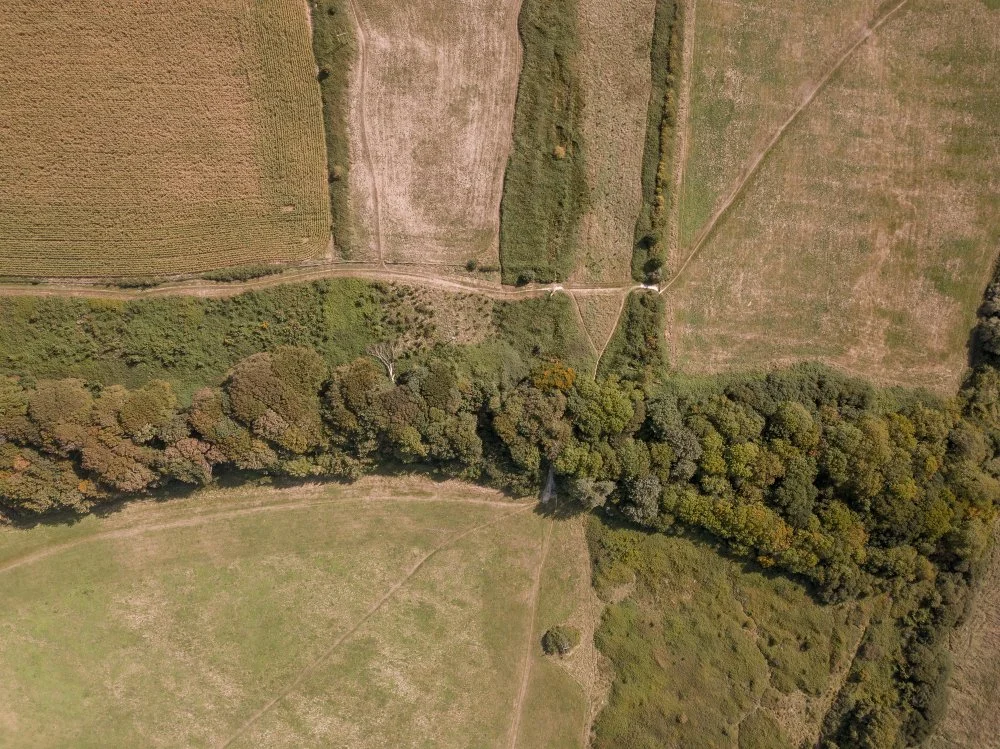
Land: Source of Conflict
Since the earliest civilizations’ permanent settlements, where there is land, there has been conflict. Whether disputes arise over boundaries, ownership, resource access or cultural significance, land remains one of the most consequential and emotionally charged issues in human society. Understanding why land generates such intense conflict and how resolution approaches can address these tensions is at the core of many of today’s conflicts, whether they are international or located in your neighborhood.
Generally, when two parties dispute land, one party’s gain constitutes another’s loss. Unlike many resources, land is a usually finite asset—coastal land reclamation and volcano expansion aside. This zero-sum nature transforms land disputes into existential battles where compromise may seem to those involved like surrender. Whether it involves pastoral communities competing for water, nations asserting sovereignty over border regions, culturally specific iconic landmarks with historical significance, or historical place-based memorials, for those involved, every land claim can feel fundamental to survival and identity.
Disputes over inheritance, boundary encroachment, and resource access create conflict cycles, particularly in rural areas. These local conflicts, while less visible than wars between nations, profoundly affect millions of people’s lives. They limit the ability to invest in property, access credit or plan for the future with confidence. Land disputes at the local level often prevent communities from addressing other development priorities.
Housing Conflicts
If you think about a housing dispute, the parties’ labels define the conflict. Landlord—owner or lord of land. Tenant—one who occupies the property of another for rent. At its core is the idea that ownership of land, along with real estate, confers rights and power. The need for land/housing/buildings happens within the capitalist structure with market forces, financial transactions, scarcity, risk and profit defining the process.
Ownership can lead to more permanence, improved credit reports and positive generational succession—or a loss, financial hardship and debt for owners. Relying on others for stable housing and shelter can lead tenants to impermanence, decreased independence and negatively impacted financial status, while lowered risk and responsibility may have a positive effect. The duality of small landlords and tenants is a meaningful seesaw of interdependence.
Real estate corporations occupy an increasing proportion of the housing market, leading to dramatic financial power imbalances. Banking and governmental forces can be influenced by the powerful entities. Our twentieth-century US history is an interesting case study including farm to city, the dust bowl, the GI Bill, redlining, urban renewal and mortgage crises, with land at the core of these conflicts.
While housing is recommended to be limited to one quarter of a personal budget, today that can run to one half or more of monthly income, particularly in highly priced housing markets. A recent study indicates that young couples today are clearly making decisions to not have children based on the inaccessibility of homeownership in the present financial landscape.
Identity and Belonging
Some communities view land not as a commodity but as integral to their cultural survival and spiritual heritage. For these groups, land disputes represent threats to their very existence as distinct peoples. Similarly, communities with historical roots in particular territories experience land loss as a form of erasure. Refugees and displaced persons often view return to ancestral lands as central to justice and healing. These identity dimensions mean that land conflicts cannot be resolved through purely economic compensation or legal maneuvering—they require approaches that acknowledge cultural and existential dimensions.