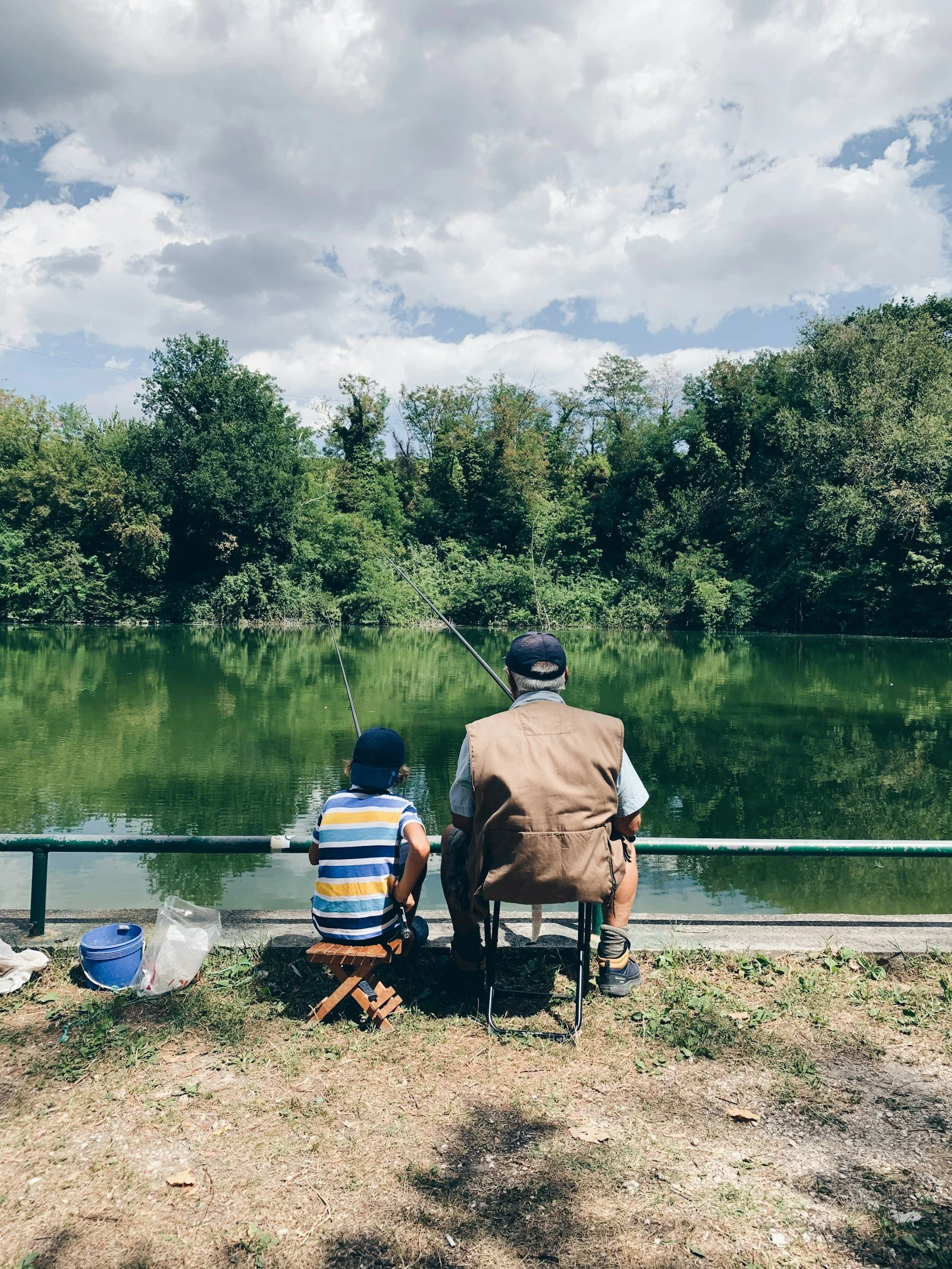
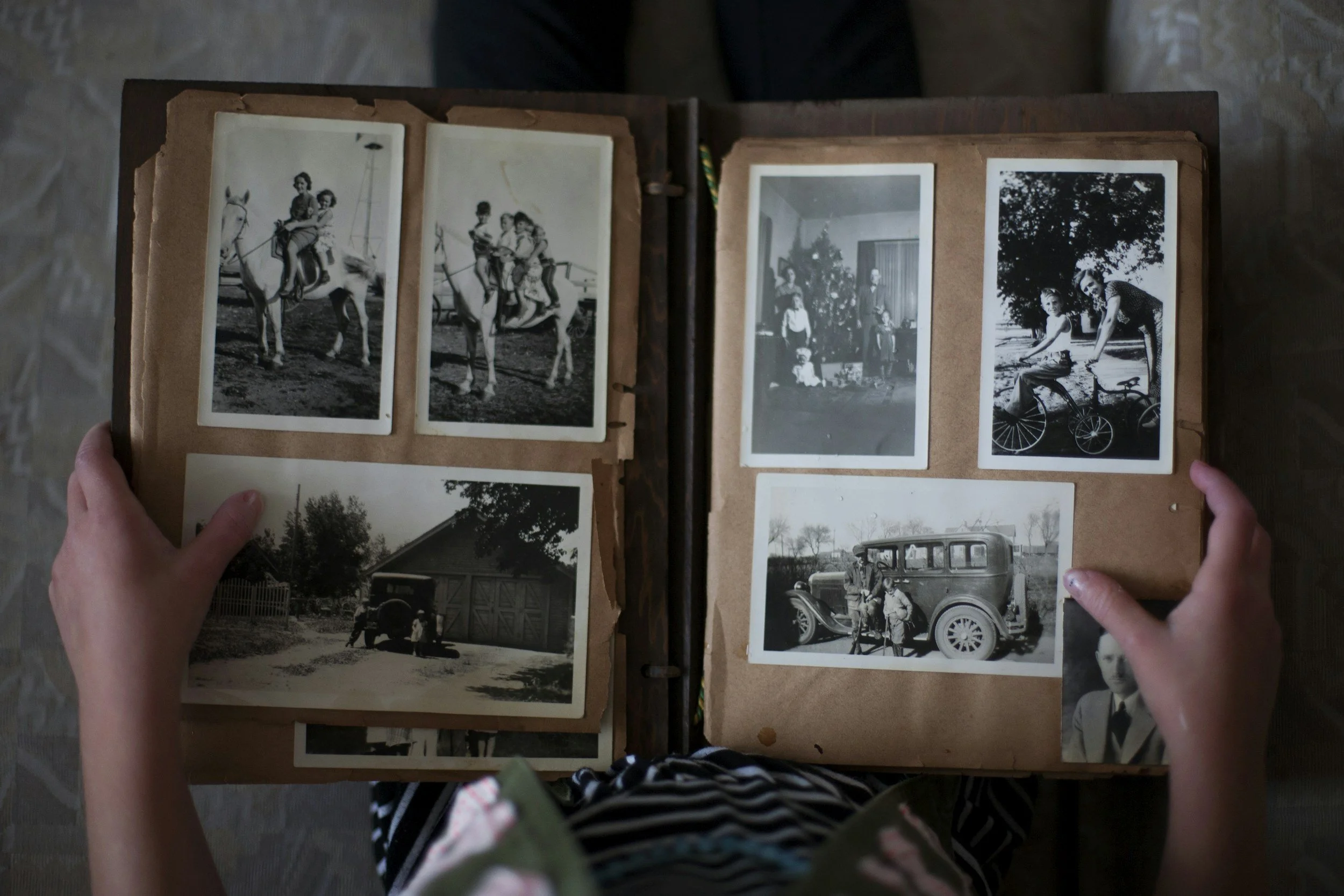
How and when and where did you learn about how to handle conflicts? Most of us have learned our personal conflict management approaches from the modeling of others. Throughout your life you were watching, observing, considering, and trying out new methods and developing your own style as a conflict resolver.
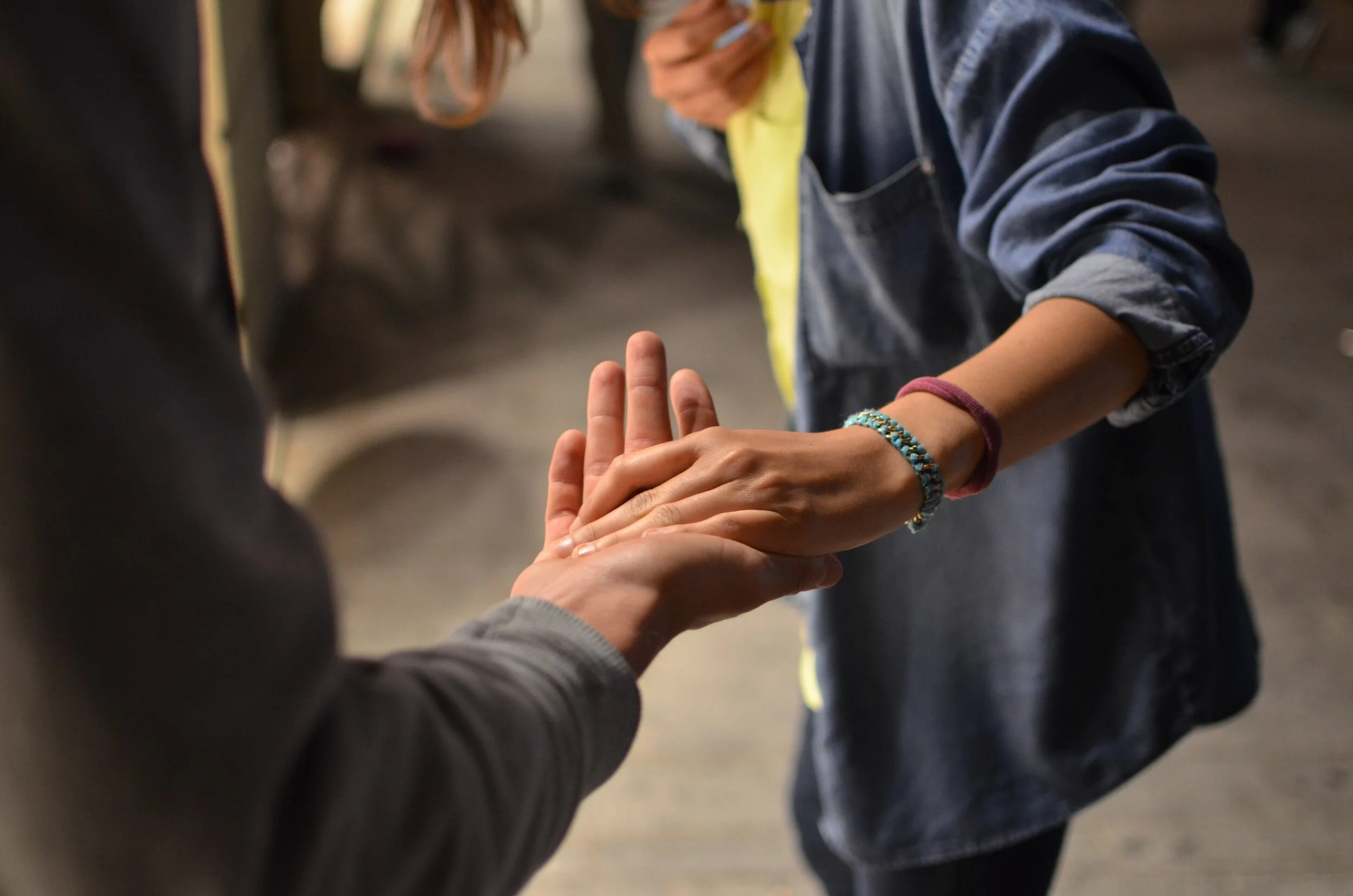
Mediation Musings: Optimism
It’s rough out there. Wars, atrocities, mass shootings, global warming, toxic polarization, free-floating anger and anxiety. We are often asked at MV Mediation about what we can do about world problems. Global conflicts and intractable societal problems weigh heavily on conflict resolvers’ minds just as they do for everyone. I thought that I’d offer approaches that have helped me, thinking they might help others during difficult times.
This month’s links for your reading, listening, and viewing pleasure
In recognition of Veteran’s Day:
5 veterans’ skills to apply to conflict resolution
In recognition of National Kindness Day:
How to show kindness in professional settings
Making tough decisions with compassion
Here are some reflective questions that might facilitate kindness when in conflict
Kind conflict resolution in the classroom
Preparing for family and holiday conflicts:
Dealing with difficult relationships
Conflict-free visits: Is this realistic?
Managing unresolved conflict
Other:
Don’t take it personally
Learning mutuality
Using a neutral to talk to your team about difficult news and current events
Conflict narratives and emotions
Here’s a link to one of our favorite websites on peace and conflict; lots of resources here
Four ways to create quality connections at work
The impact of pressure to accommodate others on conflict resolution
How curiosity can transform your relationships
Where one sits is important
DEIJ+B: DIVERSITY, EQUITY, INCLUSION, JUSTICE + BELONGING
In honor of Indigenous Peoples Day, October 9...
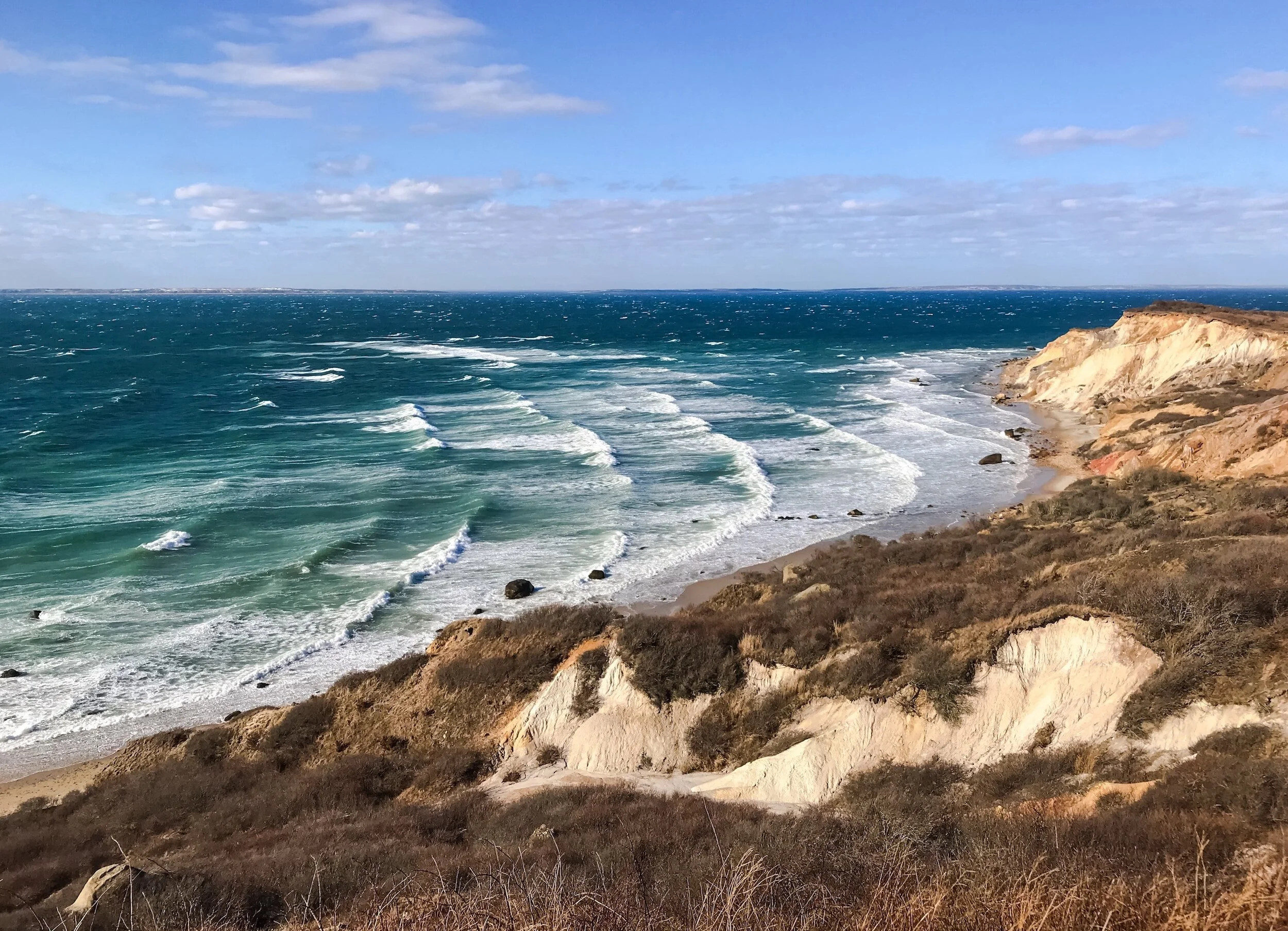
We acknowledge that we are standing on the land of the Wôpanâak (Wampanoag) people and nation, who settled this land at least 12,000 years ago and still celebrate it as home today. Although commonly referred to as Martha’s Vineyard, this island has a much older name, a Wôpanâak name: Noëpe. Through this acknowledgement, we wish to celebrate Wôpanâak culture, creativity, and perspective. We hope to honor Wôpanâak perseverance in the face of colonialism, invisibility, and cultural genocide. And we commit to restorative relationships and practices with the Wôpanâak people of Noëpe. After all, it is important to remember that no matter where you go in what is now the United States, you are always on indigenous land.